Astronomers Pointed Webb at an Empty Spot in Space. Something ‘Highly Unusual’ Flashed Back
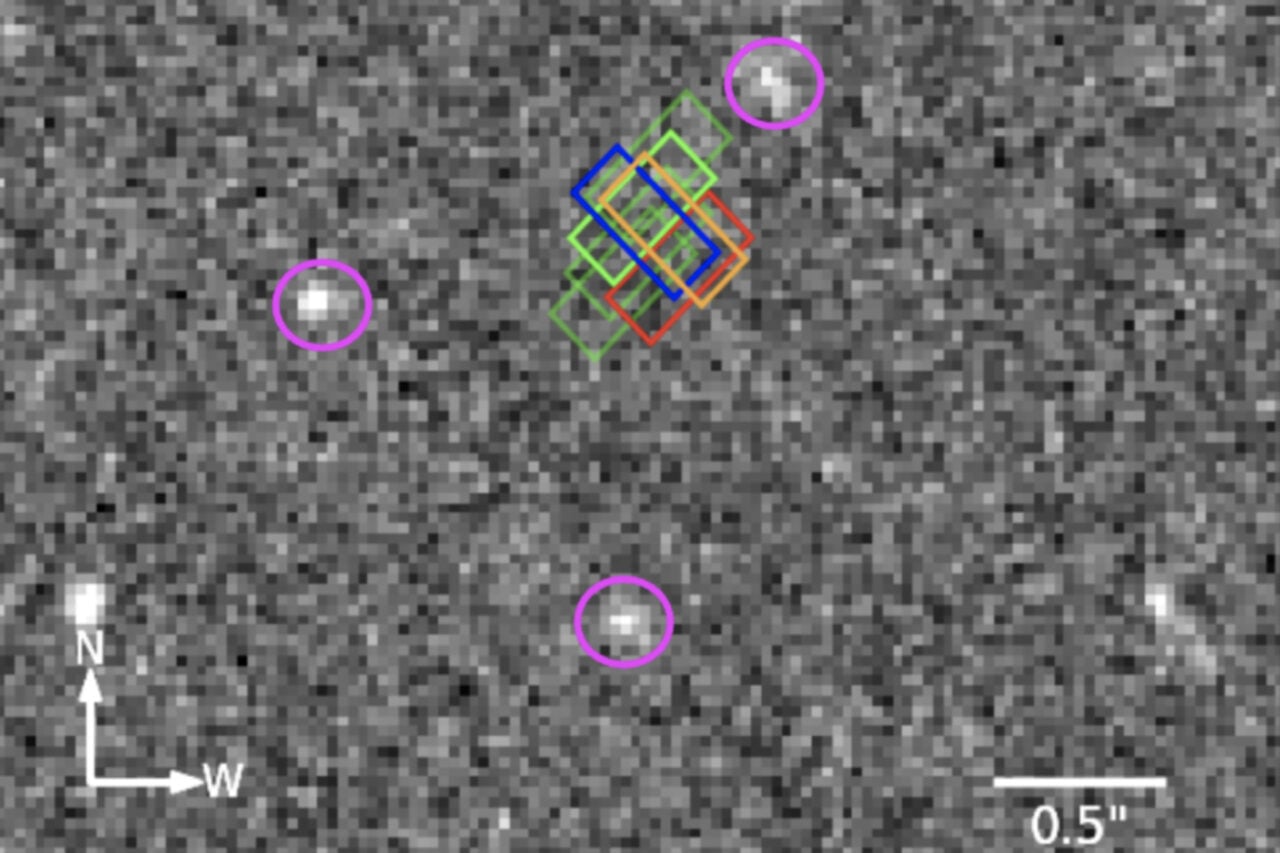
- Astronomers used the James Webb Space Telescope to observe an empty region of space.
- An unexpected, highly unusual flash was detected in that region.
- The origin of the flash is currently unknown.
- The event was reported by Gizmodo as part of a tech news update.
- Follow‑up observations are planned to investigate the phenomenon.
Astronomers using the James Webb Space Telescope reported an unexpected flash in a region of space that appeared empty. The Webb team pointed the telescope at a seemingly void patch of the sky, expecting a quiet observation, but the instrument captured a brief, bright signal that was not anticipated.
The flash, described as “highly unusual” by the observers, was recorded during a routine survey of the cosmos. No known celestial object or prior event had been associated with the coordinates where the signal appeared, leaving the source of the burst unexplained. The data, sourced from Gizmodo’s coverage of the event, show no accompanying emissions that could identify the phenomenon.
Such anomalies are significant because they may hint at new astrophysical processes or rare transient events that challenge current models. When an instrument as precise as Webb detects an unpredicted signal, it signals that our understanding of the universe is still incomplete. The scientific community often follows up with additional observations and cross‑checks using other telescopes to determine whether the flash was a one‑off occurrence or part of a larger, previously unnoticed phenomenon.
Looking ahead, astronomers plan to re‑observe the same region with Webb and other observatories to gather more data. If the flash proves to be a repeatable event, it could open a new window into high‑energy astrophysics. Until then, the origin of the flash remains unknown, prompting continued vigilance and curiosity among researchers.