‘You can’t silence the truth’: Netanyahu calls Mamdani ‘the antisemitic mayor of New York’ at the UN, as 100 protestors were arrested outside
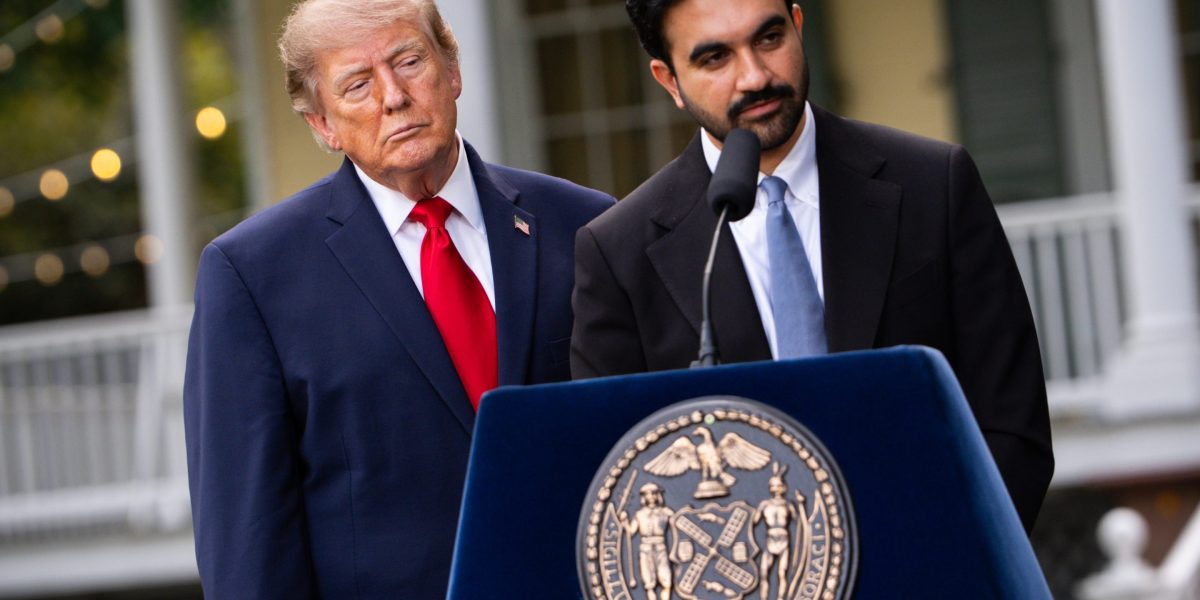
- Benjamin Netanyahu referred to Mayor Zohran Mamdani as "the antisemitic mayor of New York" during a UN session.
- Mamdani had previously called Netanyahu a "war criminal" and the "architect of a horrific genocide against the Palestinian people."
- Around one hundred protesters were arrested outside the UN headquarters amid demonstrations related to the Gaza conflict.
- The incident highlights the growing polarization over the Israel‑Palestine conflict and the challenges faced by international institutions.
- The UN remains a focal point for diplomatic negotiations and public protest surrounding the crisis.
During a recent United Nations session, Israeli Prime Minister Benjamin Netanyahu publicly denounced New York City Mayor Zohran Mamdani as "the antisemitic mayor of New York," a remark that followed the mayor’s earlier characterization of Netanyahu as a "war criminal" and the "architect of a horrific genocide against the Palestinian people."
The exchange took place amid heightened tensions over the ongoing conflict in Gaza, with Netanyahu’s statement reflecting Israel’s broader criticism of international scrutiny. Mamdani, who has faced criticism for her outspoken support of Palestinian rights, had previously condemned Netanyahu’s policies in a public speech, prompting a sharp rebuttal from the Israeli leader. The UN setting amplified the confrontation, drawing attention from governments and observers worldwide.
In the days surrounding the session, protests erupted outside the UN headquarters. According to reports, roughly one hundred demonstrators were arrested by security officials as they attempted to voice opposition to the UN’s resolutions on the Gaza conflict. The arrests underscored the intensity of public sentiment on both sides of the debate and highlighted the challenges of maintaining order during politically charged events.
These developments underscore the escalating polarization surrounding the Israel‑Palestine conflict and the role of international institutions in mediating such disputes. As the United Nations continues to grapple with calls for accountability and humanitarian relief, the standoff between Netanyahu and Mamdani illustrates the broader clash between state officials and local leaders over how best to address the crisis. The situation remains fluid, with potential implications for future diplomatic engagements and domestic political dynamics in both Israel and the United States.