APOD: 2026 October 21 – New Ghosts Revealed in Cassiopeia
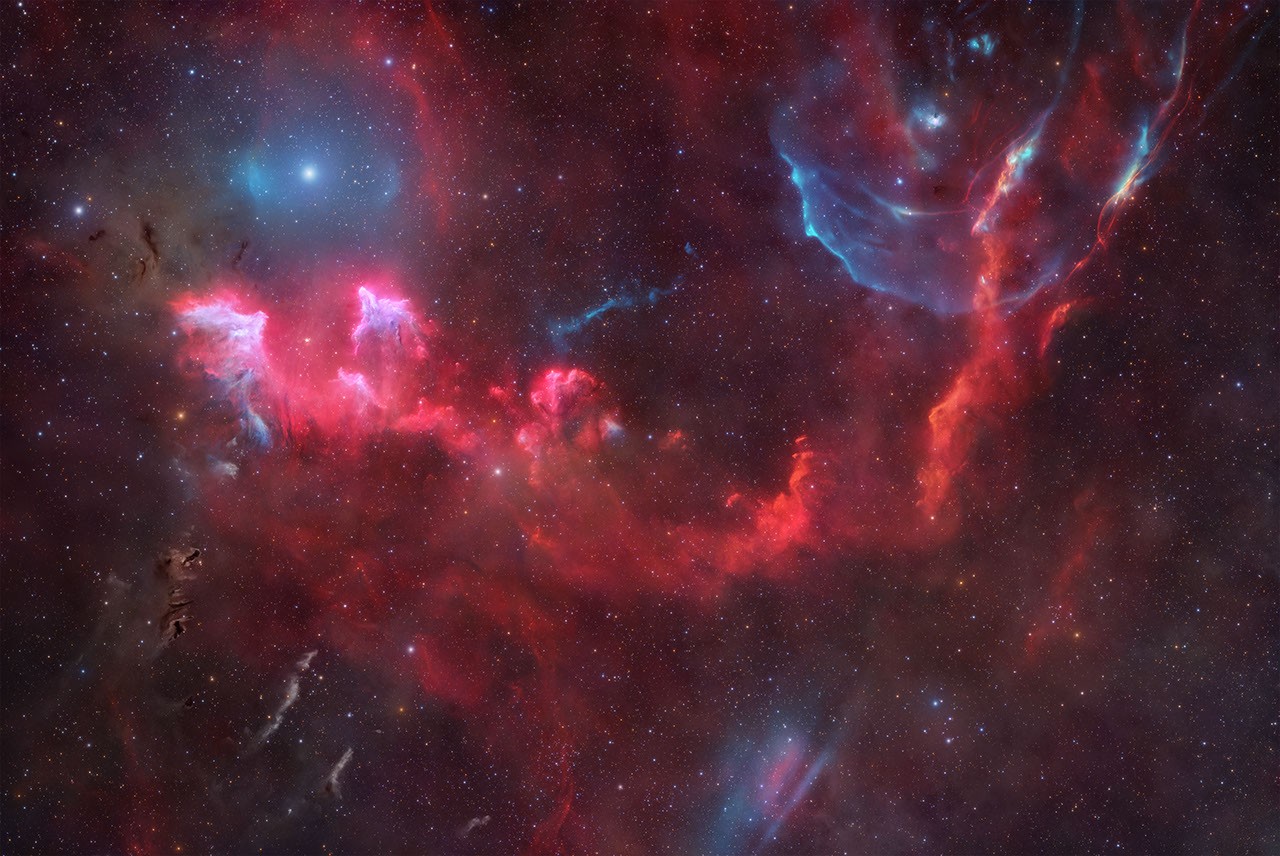
- NASA’s Astronomy Picture of the Day (APOD) released an image of new ghost-like celestial objects in Cassiopeia on October 21, 2026.
- The APOD program features a different astronomy image each day, paired with a brief explanation by a professional astronomer.
- Cassiopeia is a northern constellation known for its bright stars and, in this case, faint diffuse structures referred to as ghosts.
- The ghost objects likely offer insights into the interstellar medium and stellar evolution processes.
- The APOD archive continues to provide educational content and updates on astronomical discoveries.
NASA’s Astronomy Picture of the Day (APOD) showcased new ghost-like celestial objects in the Cassiopeia constellation on October 21, 2026, offering astronomers and the public a fresh glimpse of the universe’s subtle structures.
APOD is a long‑standing NASA project that releases a different image or photograph of the cosmos each day, accompanied by a concise explanation written by a professional astronomer. The October 21 entry added to the archive’s collection of intriguing phenomena, highlighting faint, diffuse features in Cassiopeia that are often referred to as “ghosts” because of their ethereal appearance and low surface brightness.
While the APOD description does not detail the precise nature of these ghosts, such objects typically provide insight into the interstellar medium, the remnants of stellar evolution, or the scattering of light by dust clouds. By bringing these subtle structures into public view, the APOD entry helps to illustrate how even the most faint features can inform our understanding of stellar life cycles and the composition of the Milky Way.
Looking ahead, NASA’s APOD archive will continue to present a diverse array of astronomical imagery and explanations, encouraging both casual observers and budding scientists to explore the cosmos. Future releases are expected to include additional discoveries and deep‑space observations, further expanding the public’s access to cutting‑edge astronomy.


