Jalen Hurts' blood clot diagnosis explained: What it means for the QB
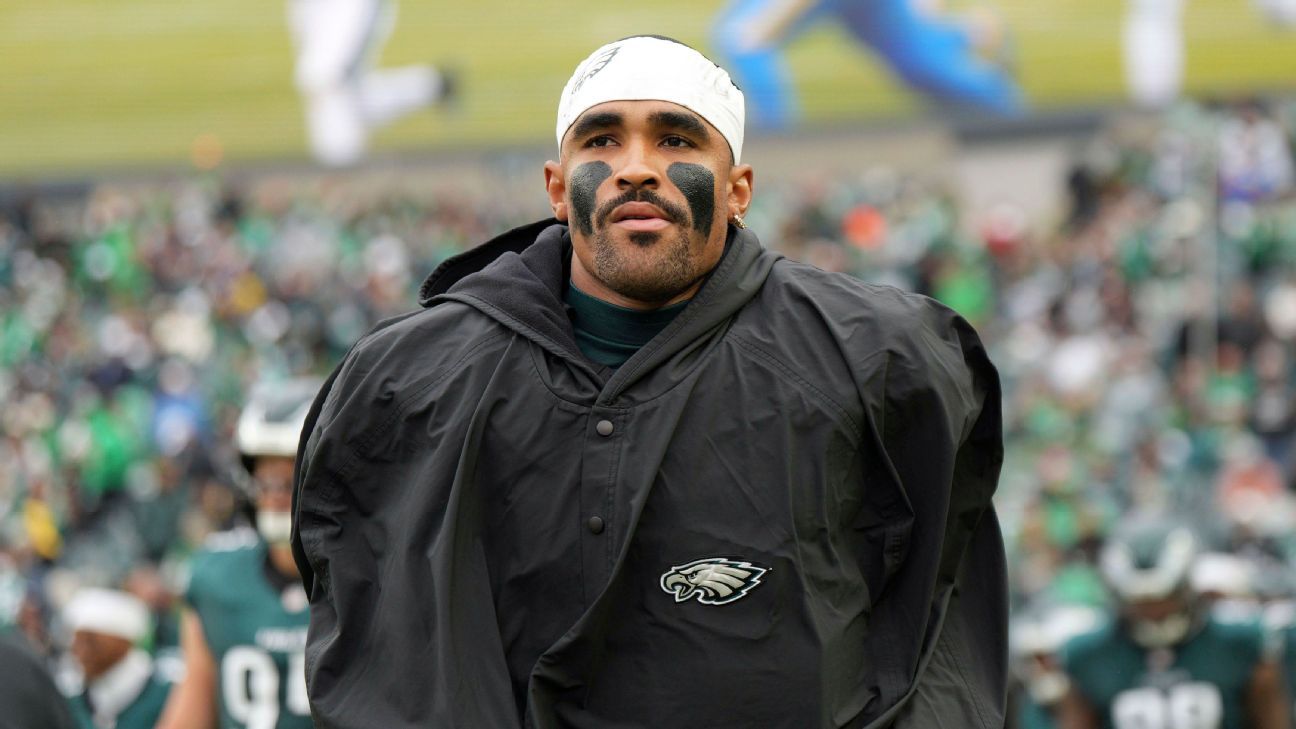
- Jalen Hurts, Philadelphia Eagles quarterback, has been diagnosed with a blood clot.
- Blood clots form when blood thickens and clogs a vessel, increasing risks like deep vein thrombosis and pulmonary embolism.
- Treatment typically involves anticoagulant medication and careful monitoring for bleeding.
- Recovery time varies, but many patients can return to normal activity within weeks to months after clot resolution.
- The Eagles’ medical staff will adjust Hurts’ training and playing schedule based on his recovery progress.
Jalen Hurts, the Philadelphia Eagles quarterback, has been diagnosed with a blood clot, a condition that can pose serious health risks for athletes and the general population alike. ESPN spoke with a medical professional to explain the causes, treatments, and outlook for those with blood clots, shedding light on what the diagnosis means for Hurts and his career.
A blood clot, or thrombosis, occurs when a blood clot forms in a vein or artery, potentially blocking blood flow and leading to complications such as deep vein thrombosis or pulmonary embolism. The medical expert noted that risk factors include prolonged immobility, genetic predisposition, certain medications, and underlying health conditions. In high‑intensity sports, the combination of intense training, injury, and recovery periods can elevate the risk of clot formation, especially if an athlete experiences a significant injury or undergoes surgery.
Treatment typically involves anticoagulant medications that thin the blood and prevent further clot growth. The expert emphasized that while the medication can reduce the chance of complications, it also requires careful monitoring for side effects such as bleeding. Recovery timelines vary, but many patients can return to normal activity within weeks to months once the clot has resolved and they are deemed medically safe. For Hurts, the team’s medical staff will likely assess his clot status, adjust his training load, and determine when it is safe for him to resume full contact drills.
For the Eagles, the diagnosis underscores the importance of comprehensive health monitoring during the season. The team will need to balance Hurts’ rehabilitation with the demands of a competitive schedule, potentially adjusting his playing time as he recovers. The medical professional cautioned that while the outlook is generally favorable with proper treatment, recurrence is possible, and ongoing surveillance will be essential. The Eagles and Hurts will closely monitor his health as he works toward a safe return to the field.