How to keep your smart home running even if the internet goes down

- Smart home devices rely on Wi‑Fi to connect to cloud services for remote control and updates.
- When the internet is lost, devices often lose remote functionality but can still operate locally if configured.
- Local hubs, wired connections, and backup power can keep smart devices functional during outages.
- Homeowners can set devices to fall back to local operation when the cloud is unreachable.
- Future trends in edge computing aim to reduce dependence on constant internet connectivity.
When the internet goes dark, many smart home devices fall silent, but homeowners can keep them running by relying on local connectivity and backup power.
Smart home products most often harness Wi‑Fi to function, connecting to cloud services for remote control, firmware updates, and data storage. When the internet is lost—whether from a routine outage, a service disruption, or a flaky connection—those remote functions cease, and devices may lose the ability to be controlled from a smartphone or to report status to a cloud dashboard. In most cases, however, the devices’ local firmware still runs and can respond to commands issued over the home network.
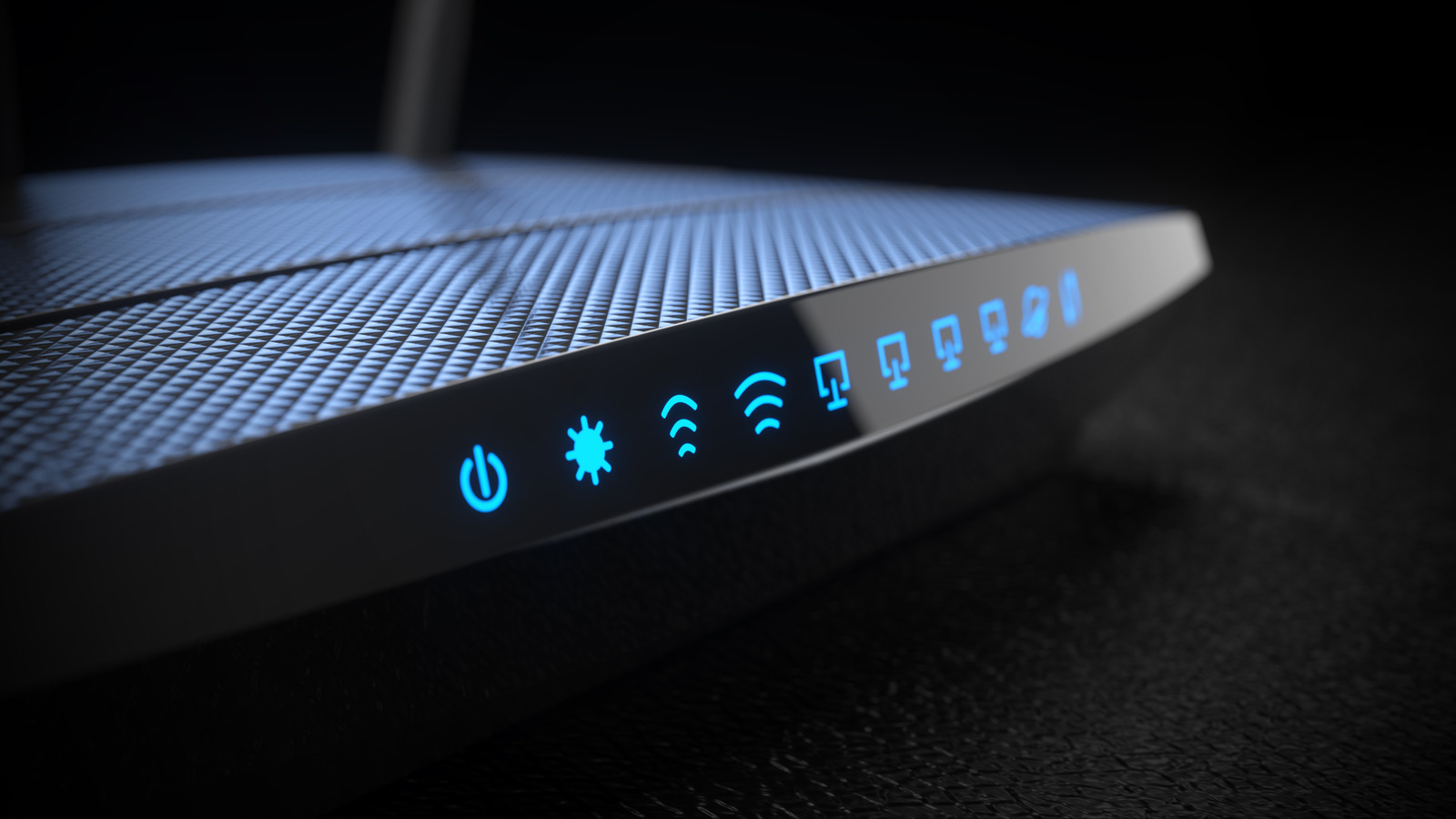
To maintain operation during an outage, homeowners can adopt several practical measures. First, use a local hub or bridge that can translate local commands into device actions without needing a cloud connection. Many lighting, thermostat, and lock systems include a local control mode that operates over the home network. Second, connect critical devices directly to Ethernet or a wired backhaul, which can be more resilient than Wi‑Fi during a broadband hiccup. Third, install a backup power source—such as a UPS or battery backup—for the router and hub so they stay online when the main power is interrupted. Finally, configure devices to automatically fall back to local operation when the cloud is unreachable, ensuring that essential functions like temperature regulation, security alerts, and door lock status remain available.
Looking ahead, the trend toward edge computing and local processing in smart home ecosystems promises to reduce dependence on continuous internet connectivity. As manufacturers continue to embed more local intelligence into devices, users will find it easier to keep their homes automated and secure even when the wider world goes offline.