What's the difference between Android Automotive and Google Built-In?
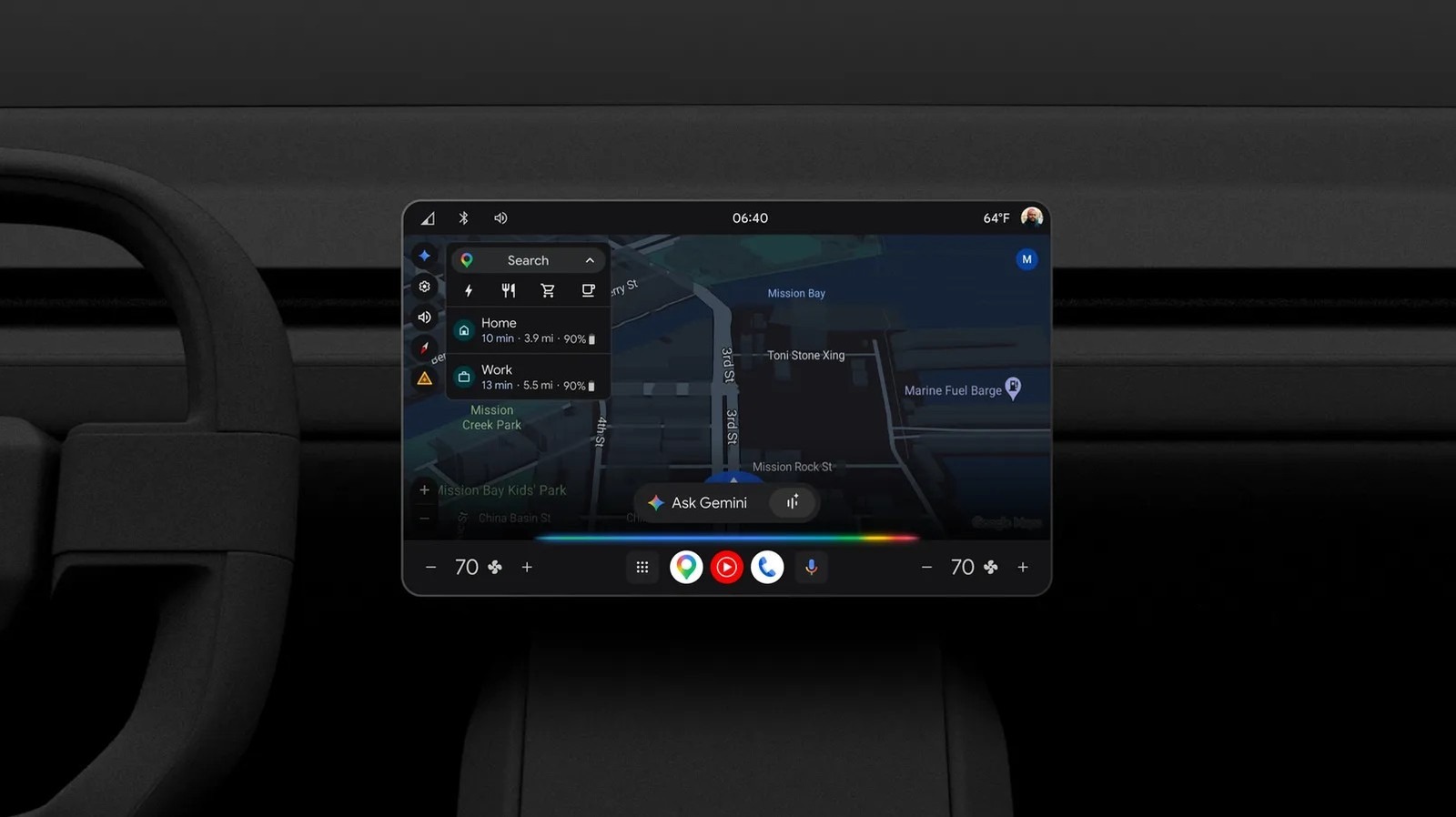
Engadget explains the key difference between Android Automotive and Google Built‑in, two Google‑powered platforms for car software.
According to the report, Android Automotive is essentially a set of apps that can be accessed through a vehicle’s infotainment system. It provides a curated experience focused on navigation, media, and voice controls, but it does not allow the full range of applications or services that a traditional operating system would support.
In contrast, Google Built‑in is described as a platform that can run almost everything inside a car. This broader scope means that automakers can install a wider variety of software, from advanced driver‑assist features to custom in‑vehicle services, all powered by Google’s ecosystem.
Understanding this distinction matters because it affects how manufacturers choose and integrate software into their vehicles. A more limited app set may simplify certification and maintenance, while a full‑blown platform offers flexibility for future innovations. As the automotive industry continues to evolve, the choice between Android Automotive and Google Built‑in will shape the next generation of connected cars.
", "key_points": [ "Android Automotive is a set of apps for a vehicle’s infotainment system.", "Google Built‑in can run almost everything inside a car.", "Engadget reports on the distinction between the two platforms.", "The difference influences how automakers integrate software into their vehicles." ], "faq": [ { "question": "What is the difference between Android Automotive and Google Built‑in?", "answer": "Android Automotive is limited to a set of apps, whereas Google Built‑in can run almost all software inside a vehicle." }, { "question": "Why does the distinction matter?", "answer": "It influences how automakers choose platforms and integrate features in their vehicles, affecting certification, maintenance, and future innovation." }, { "question": "What could happen next?", "answer": "Automakers may