Does written language speed up or slow down cultural change?
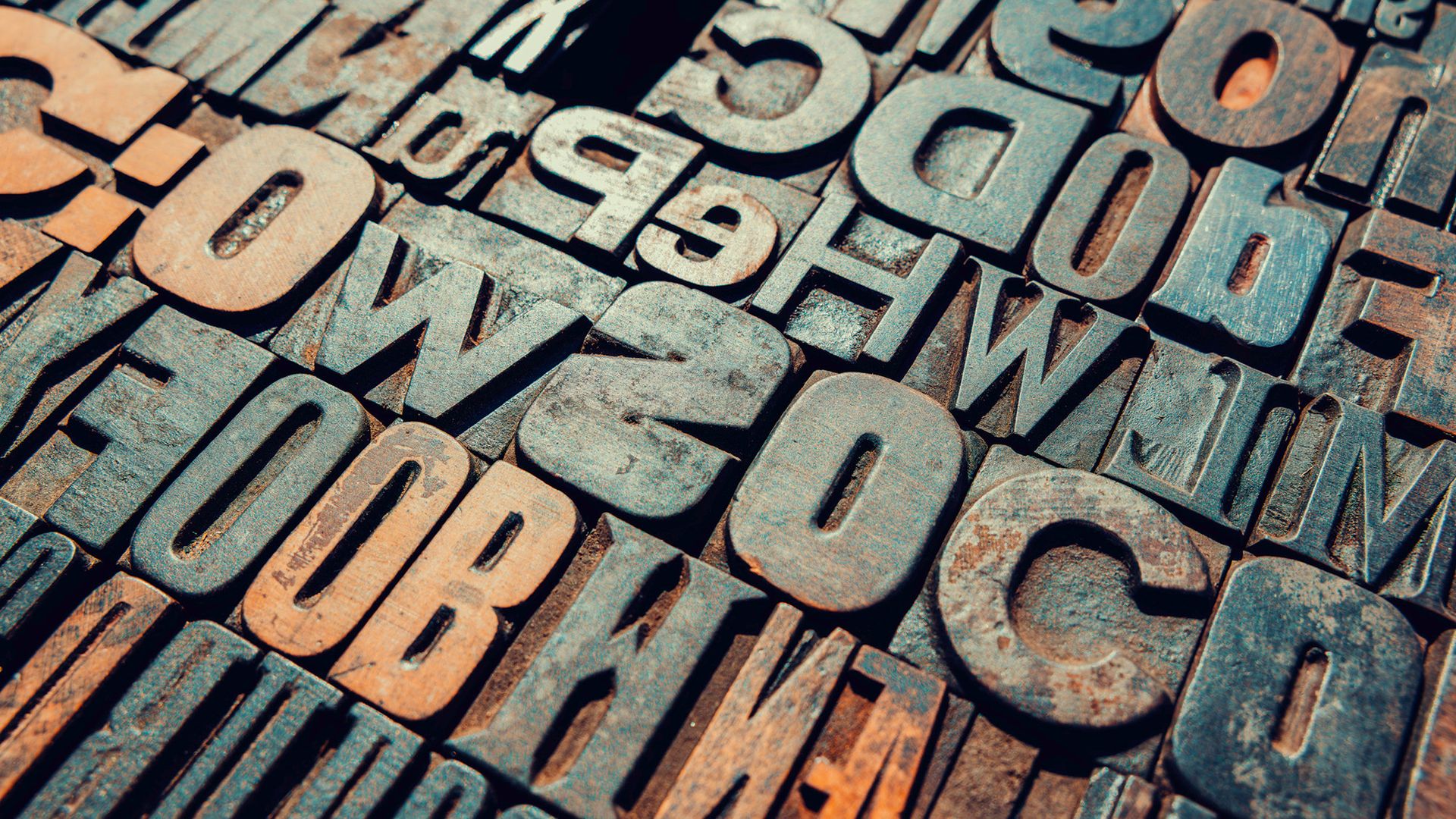
- Written language preserves historical ideas and ensures continuity across generations.
- It also facilitates rapid dissemination of new concepts through printing, mass media, and digital platforms.
- Live Science highlights the tension between tradition and change created by written records.
- The impact of writing on cultural evolution depends on access, literacy, and technology.
The written word has long been hailed as a revolutionary force for preserving ideas from the past and transmitting new ones to the present, but its role in cultural evolution remains contested. According to Live Science, written records provide a stable repository that allows societies to maintain continuity and identity over time.
At the same time, the very medium that preserves tradition can also accelerate change. The invention of the printing press, for instance, turned localized knowledge into widely accessible texts, while modern digital platforms can spread new concepts across the globe in seconds. Live Science notes that the speed of dissemination often outpaces the pace at which cultural norms can adapt.
The tension between preservation and innovation is therefore inherent in the nature of written communication. When literacy is widespread and access to texts is broad, communities can rapidly absorb and reinterpret ideas, fostering cultural shifts. Conversely, when written materials are controlled or scarce, they can reinforce existing traditions and slow the adoption of new viewpoints.
Future research will likely focus on how emerging technologies—such as social media, artificial intelligence, and blockchain—reshape the balance between tradition and change. Understanding these dynamics can help societies navigate the benefits and challenges of a rapidly evolving information landscape.


