Iron and Viking Age Scandinavians Kept Their Victims’ Bones Around the House
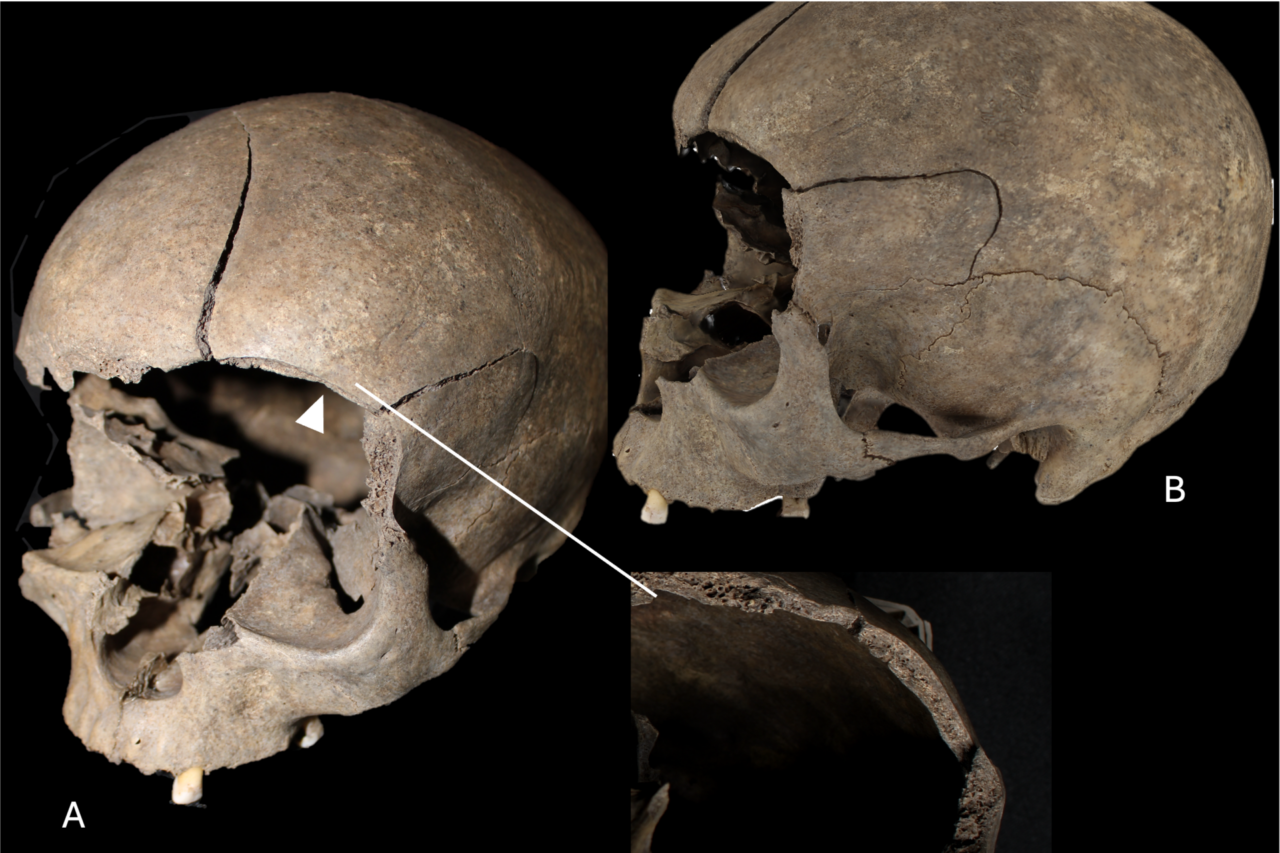
- Iron Age and Viking Age Scandinavians placed victims’ bones, including a child’s skull, within the floors of their homes
- The skull was embedded between floorboards, creating a path walked over by occupants for years
- The practice suggests a complex relationship between living and dead, challenging traditional burial assumptions
- The discovery was reported by Gizmodo and highlights the need for further archaeological study
Archaeologists uncovered evidence that Iron Age and Viking Age Scandinavians placed the bones of their victims, including a child’s skull, within the floors of their homes, a practice that left the remains exposed to everyday life for generations.
The discovery, reported by Gizmodo, came from a series of excavations in a rural area of northern Scandinavia where researchers found a child's skull embedded between floorboards of a longhouse. The skull had been positioned so that occupants walked directly over it, indicating that the bone was treated as a permanent, integrated part of the dwelling rather than a relic or trophy kept in a separate shrine.
Such findings challenge previous assumptions that Viking and Iron Age societies reserved burial sites exclusively for the dead. Instead, the practice suggests a complex relationship between the living and the dead, where the presence of a victim’s remains within the domestic space may have served ritualistic or protective functions, or reflected beliefs about the afterlife and community identity.
While the exact motivations behind this practice remain a topic of scholarly debate, the evidence underscores the need to reexamine the material culture of early Scandinavia. Future research will focus on comparative studies of other sites and on the broader implications for how these societies negotiated death, memory, and domestic life.