Animals may have evolved 200 million years earlier than we thought
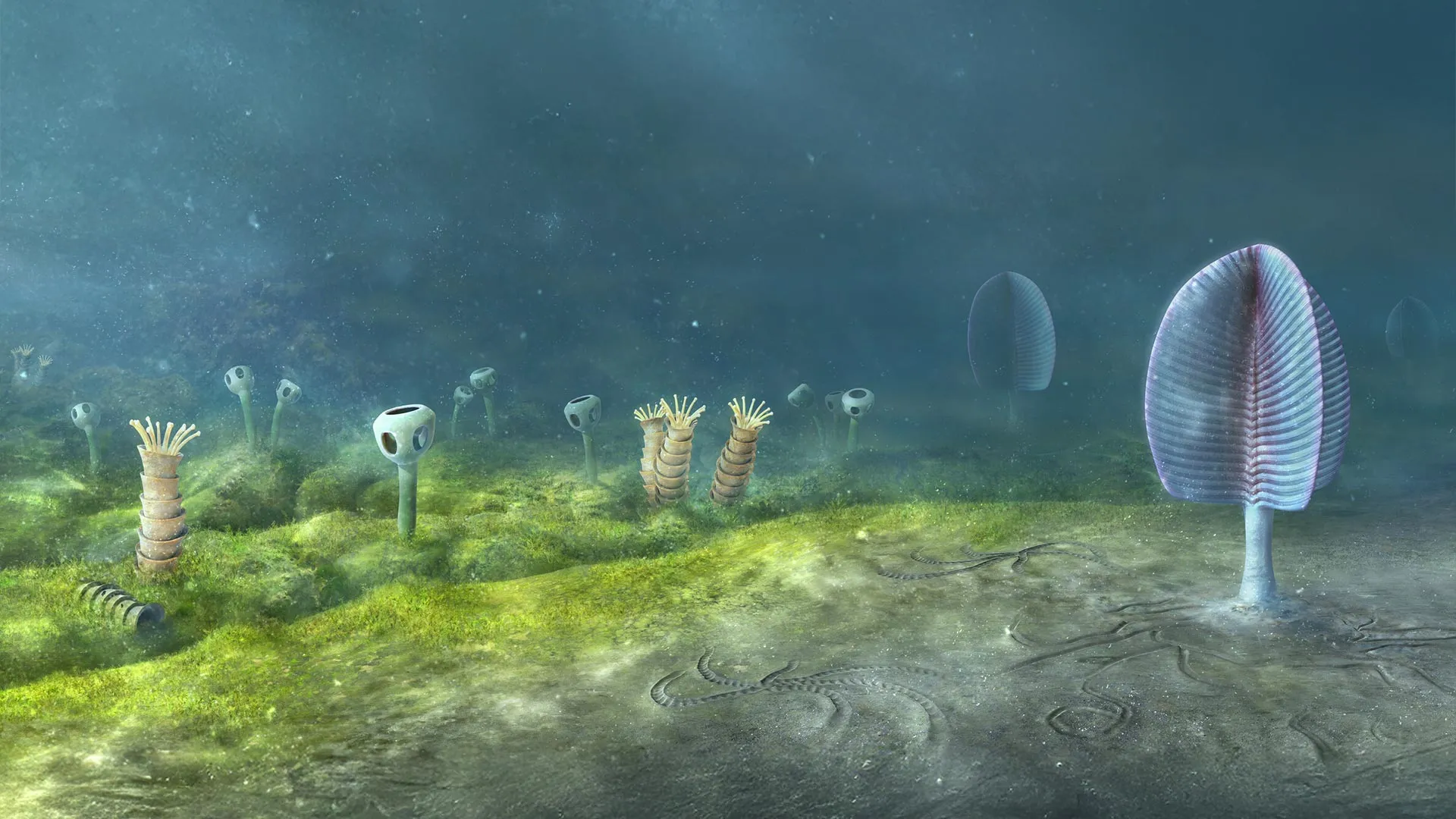
New research indicates that the earliest animals may have appeared between 800 and 700 million years ago, a full two hundred million years before many scientists previously thought.
\nAccording to a study reported by Science Daily, this timing places the origin of animals before or during the Snowball Earth glaciations, a period of global freezing that is normally thought to have suppressed complex life.
\nBecause the first animals were likely soft‑bodied, their remains would have been rarely preserved in the rock record, explaining why the fossil evidence for such an early origin is scant.
\nThese findings challenge current models of early animal evolution and the timing of the Cambrian explosion, suggesting that life may have begun to diversify much earlier than the fossil record has shown.
\nFuture research will focus on locating new fossil evidence, applying advanced imaging and geochemical methods, and refining evolutionary models to test the possibility that animals evolved 200 million years earlier than once believed.
","key_points":["New research suggests earliest animals evolved 800–700 million years ago, 200 million years earlier than previous estimates.","This timing places the origin of animals before or during the Snowball Earth glaciations.","Soft-bodied early animals leave few fossils, explaining the lack of evidence in the rock record.","The finding challenges current models of early animal evolution and the timing of the Cambrian explosion.","Future research will search for new fossils and use advanced imaging to test these earlier dates."],"faq":[{"question":"What does the new research say about when the first animals evolved?","answer":"The study proposes that animals may have first appeared between 800 and 700 million years ago, earlier than the commonly cited 600–500 million year range."