4 simple benchmarks to test your PC's performance
- PC benchmarks measure GPU, CPU, and other component performance.
- Engadget outlines four simple benchmarks that provide clear, objective scores.
- Benchmarks help users identify bottlenecks and guide upgrade decisions.
- The tests cover graphics, processing, memory, and storage performance.
- Using these benchmarks eliminates guesswork in PC performance evaluation.
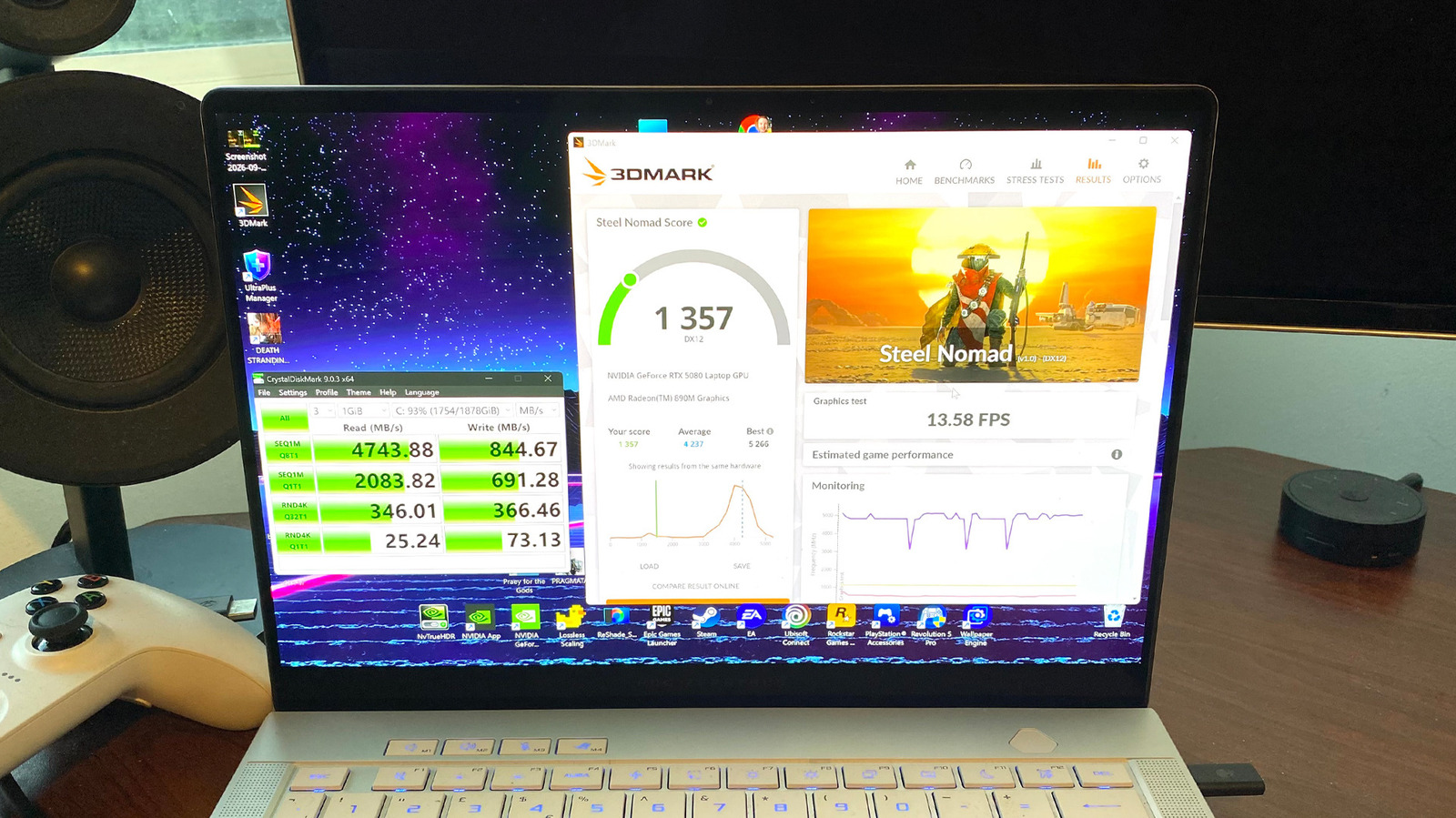
According to Engadget, PC benchmarks let users figure out exactly how their GPU, CPU and other components are performing so they don’t have to guess. The article highlights four simple benchmarks that target the main hardware elements of a computer, offering a quick way to assess performance and identify bottlenecks.
Benchmarks are standardized tests that generate numeric scores reflecting how well a component handles specific workloads. By running the four benchmarks suggested by Engadget, users can see how their graphics processor handles rendering tasks, how the central processor performs calculations, how memory responds to data requests, and how storage devices deliver read/write speeds. The results are presented in a straightforward format, making it easy to compare a single machine’s performance against others or against the manufacturer’s specifications.
Having objective data is especially useful when troubleshooting performance issues or planning hardware upgrades. If a benchmark shows a GPU score that lags behind the CPU, for example, the user knows to focus on a graphics upgrade rather than spending money on a faster processor. Likewise, a low memory or storage benchmark can point to a need for more RAM or a faster SSD, preventing costly over‑engineering of the system.
With these benchmarks readily available, tech users can now make informed decisions about upgrades, repairs, or system tuning. By removing guesswork and providing clear performance metrics, Engadget’s guide helps users keep their PCs running at their best.