Picanha, prices and politics: What Brazil's favorite steak says about the election
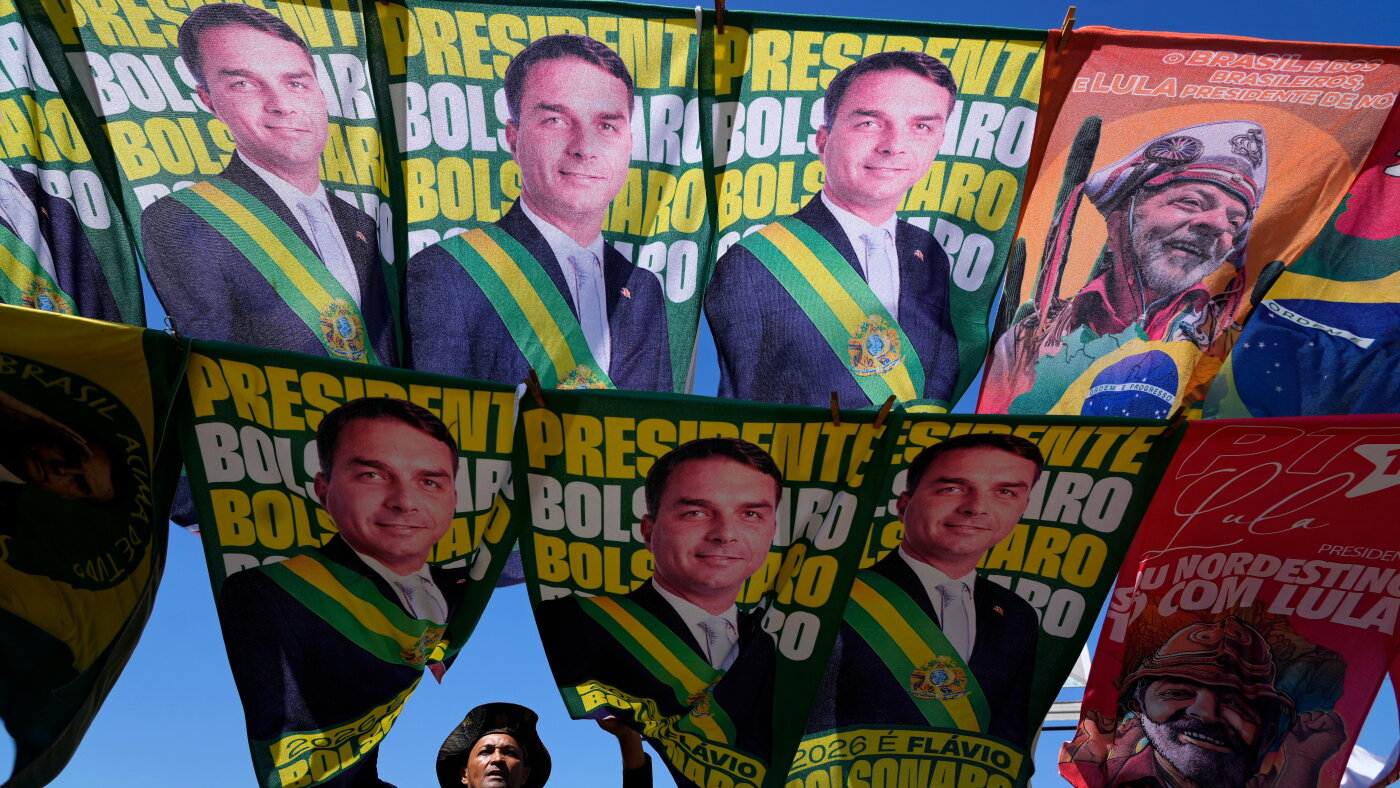
- Brazilian President Luiz Inácio Lula da Silva promised in 2022 that Brazilians would be able to afford picanha again.
- The price of picanha has risen, contradicting Lula’s earlier pledge.
- Lula is campaigning for a third term amid rising beef prices, which voters see as a test of his economic policies.
- The issue reflects broader inflationary pressures and supply chain challenges affecting Brazil’s food sector.
- The rising cost of picanha is being used by opposition parties to question Lula’s performance as election day approaches.
Brazil’s favorite steak, picanha, has become a barometer for the nation’s economic fortunes as President Luiz Inácio Lula da Silva campaigns for a third term, after promising four years ago that Brazilians would be able to afford it again. NPR World reports that the price of the cut has risen, creating a stark contrast between Lula’s pledge and the current reality.
When Lula took office in 2022, he highlighted the affordability of picanha as a symbol of improved living standards for ordinary Brazilians. The promise was tied to broader economic goals, including inflation control and wage growth. However, recent data show that picanha prices have climbed, reflecting persistent inflationary pressures and supply chain disruptions that have kept beef costs high across the country.
The price surge is more than a culinary curiosity; it has become a focal point for voters assessing Lula’s performance. As the 2026 election approaches, opposition parties and independent analysts are using the steak’s cost to question whether Lula’s policies have delivered the promised economic relief. The issue also underscores the broader challenge of balancing fiscal stimulus with price stability in a country where beef consumption is deeply ingrained in cultural identity.
Looking ahead, Lula’s campaign is likely to address the picanha price issue directly, either by outlining new measures to curb inflation or by emphasizing other economic successes. The upcoming election will test whether voters are willing to overlook rising steak prices in favor of Lula’s broader social agenda, or whether the steak’s price will become a decisive factor in a closely contested race.

