APOD: 2026 October 1 – Harvest Moon with Erupting Mount Etna
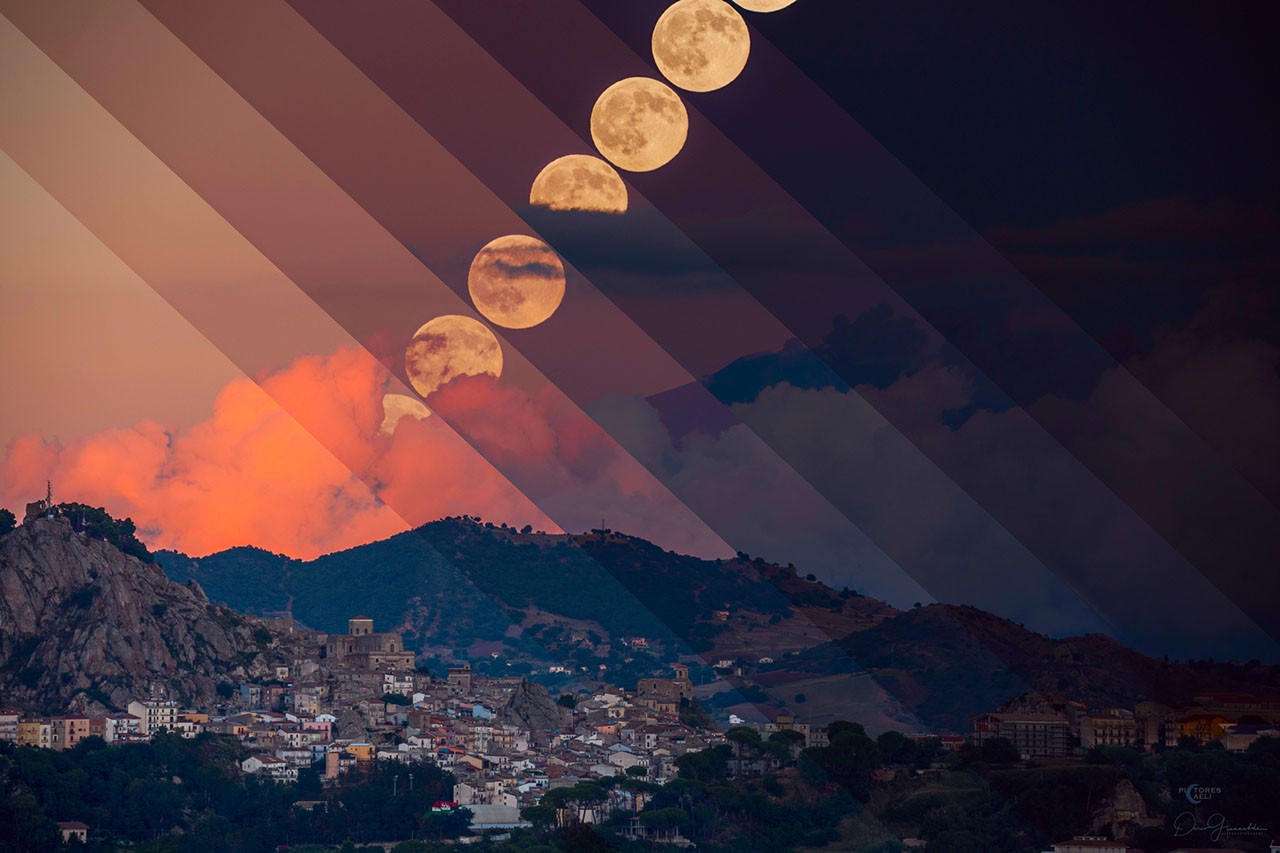
- APOD image dated October 1, 2026 shows the Harvest Moon over erupting Mount Etna
- The photograph captures a dramatic contrast between lunar illumination and volcanic ash plume
- NASA provided the image and accompanying explanation by a professional astronomer
- The image illustrates the intersection of Earth’s geological activity and space observation
- It serves both scientific research and public engagement purposes
NASA’s Astronomy Picture of the Day (APOD) for October 1, 2026 presents a striking image of the Harvest Moon illuminated over an erupting Mount Etna, captured by a satellite in the visible spectrum. The photograph, selected by the APOD team, highlights the interplay between lunar illumination and Earth’s volcanic activity, a rare visual juxtaposition that invites both scientific curiosity and public wonder.
The image shows the bright, orange‑tinted Harvest Moon dominating the lower horizon, while a plume of ash and smoke rises from Mount Etna’s crater, creating a dramatic contrast between celestial and terrestrial phenomena. Mount Etna, one of the world’s most active volcanoes, has a long history of eruptions that influence local weather and air quality. By pairing the moon’s glow with the volcano’s plume, the APOD entry underscores how Earth’s geological processes can be observed from space and how they interact with the broader atmospheric environment.
From a scientific perspective, the photograph offers a visual record useful for atmospheric scientists studying the dispersion of volcanic ash and its impact on climate. For the public, the image serves as an engaging reminder of the dynamic planet we inhabit and the continuous monitoring efforts that keep us informed of natural hazards. The APOD explanation, written by a professional astronomer, contextualizes the image within both lunar phases and volcanic activity, making complex science accessible to a wide audience.
Looking ahead, the APOD archive will continue to showcase daily images that illuminate the universe and our place within it. Future releases may feature other notable lunar events, such as supermoons or eclipses, alongside significant terrestrial events like earthquakes or volcanic eruptions. By maintaining this blend of space and Earth science, NASA encourages continued interest in both disciplines and supports ongoing research and education efforts.