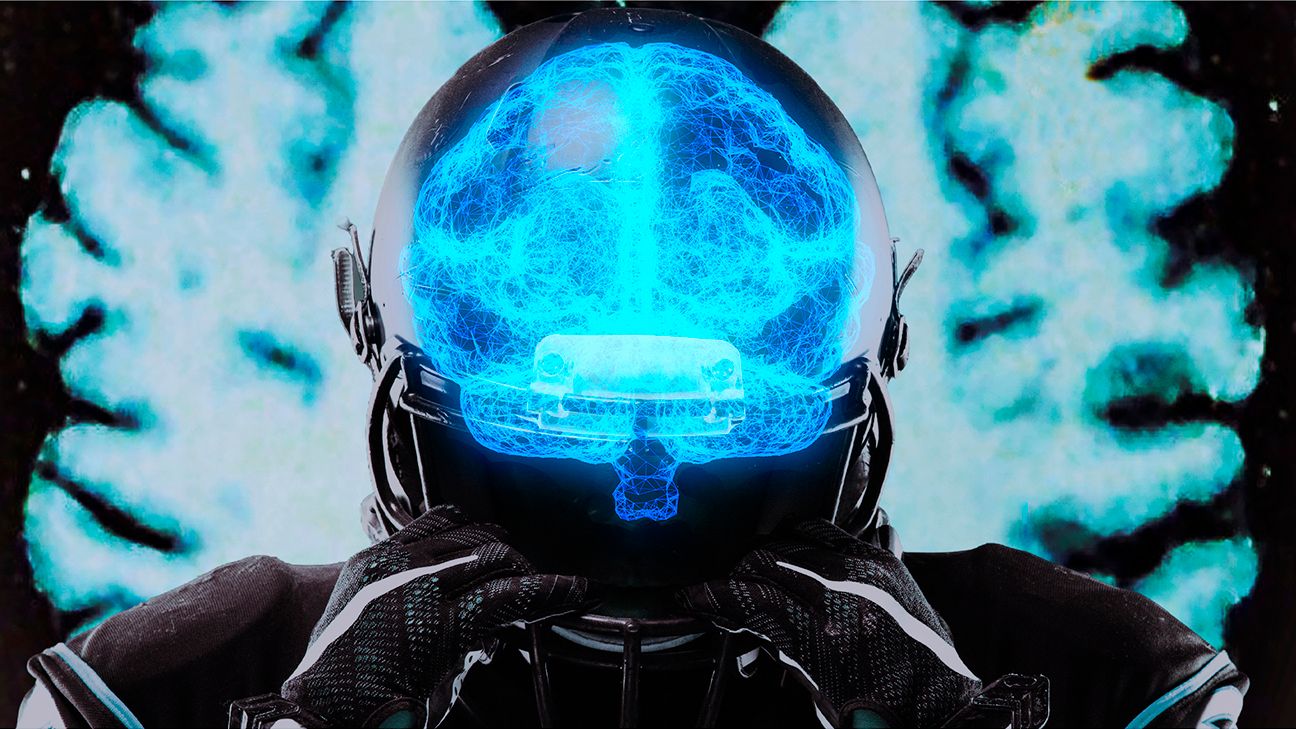
Would NFL players take a test that could diagnose CTE in the living?
- A new diagnostic test can detect chronic traumatic encephalopathy (CTE) in living athletes.
- ESPN surveyed NFL players on whether they would take the test, revealing mixed reactions.
- Some players want to know their CTE status to plan for health and family; others fear career and privacy impacts.
- The debate highlights challenges in balancing medical progress with professional concerns in football.
- The outcome may influence future NFL policies on brain‑health testing and player support.
A new diagnostic test that could identify chronic traumatic encephalopathy (CTE) in living athletes has prompted NFL players to weigh the benefits and risks of knowing their brain health status. According to ESPN, the test relies on blood biomarkers and advanced imaging techniques that may reveal early signs of the neurodegenerative disease that has plagued former football players.
ESPN interviewed current and former NFL athletes to gauge their willingness to undergo such testing. Some players expressed a strong desire to take the test, saying it would give them a clearer picture of their long‑term health and help them make informed decisions about their career and family. Others declined, citing concerns that a positive result could jeopardize contract negotiations, affect their market value, or lead to psychological distress without a clear treatment pathway.
The divergent reactions reflect broader uncertainties surrounding CTE diagnosis. Those in favor of testing highlighted the importance of early awareness for personal and medical planning, while opponents worried about privacy, potential stigma, and the lack of proven interventions to alter the disease’s course. The debate underscores how the NFL and its players are still navigating the balance between advancing medical knowledge and protecting athletes’ professional interests.
As research moves toward clinical application, the league and medical community will need to develop clear protocols and support systems for players who choose to learn their CTE status. The outcome of this conversation could shape future policies on brain health, testing accessibility, and the overall approach to player safety in the NFL.