Do you really need a travel router? Here's what to know
- Travel routers simplify connecting multiple devices to hotel Wi‑Fi by creating a separate local network.
- They allow a single hotel login to be shared without exposing the password to each device.
- In setups with only a few devices, a travel router may be unnecessary and add extra cost and bulk.
- The choice depends on device count, convenience, and security considerations.
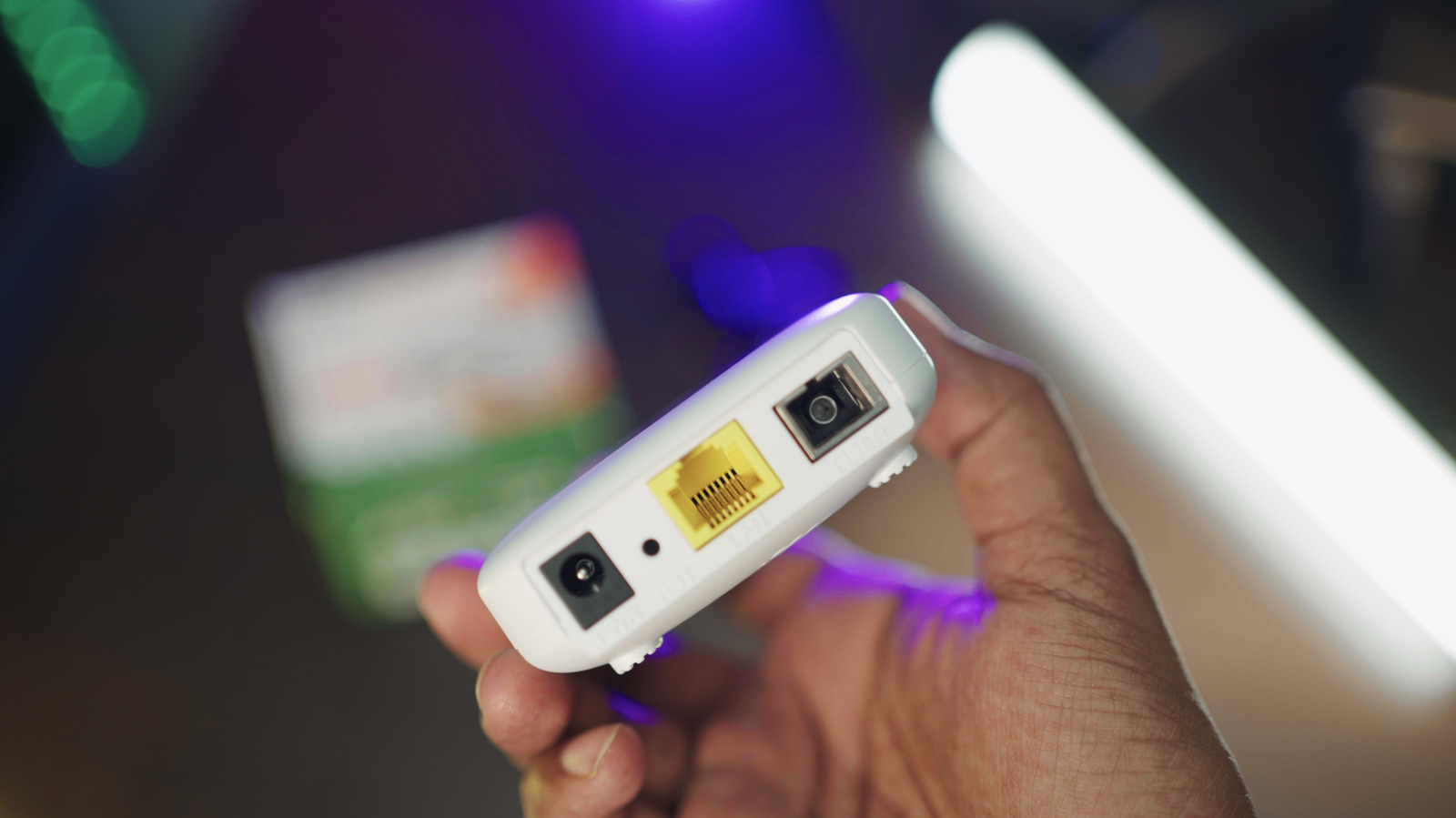
Travel routers offer a convenient solution for travelers who need to connect several devices to hotel Wi‑Fi, but their usefulness depends on how complex a setup is. Engadget reports that these compact devices simplify the process of sharing a single login across multiple gadgets, reducing the need to repeatedly enter passwords or share credentials with friends or colleagues.
By creating a separate local network, a travel router lets a traveler keep the hotel’s credentials private while still allowing phones, laptops, tablets, and even smart TVs to connect simultaneously. The device typically plugs into the hotel’s Ethernet port or Wi‑Fi adapter, then broadcasts its own Wi‑Fi signal that the traveler’s devices can join. This eliminates the hassle of logging in on each device and can improve security by keeping the original password hidden.
However, in simpler scenarios—such as a solo trip with just a phone and a laptop—a travel router may add unnecessary bulk, cost, and battery drain. If the hotel’s Wi‑Fi is easy to share and the traveler only needs a couple of connections, using the guest network directly can be just as effective. The decision hinges on the number of devices, the need for privacy, and how much convenience a traveler values.
As mobile hotspots and cloud‑based Wi‑Fi sharing tools continue to evolve, travelers will have more options for managing connectivity on the go. Choosing the right solution will involve weighing the trade‑offs between portability, security, and the number of devices that need to stay online.