J.J. McCarthy isn't the answer for the Giants ... right? Barnwell on the trade's potential impact
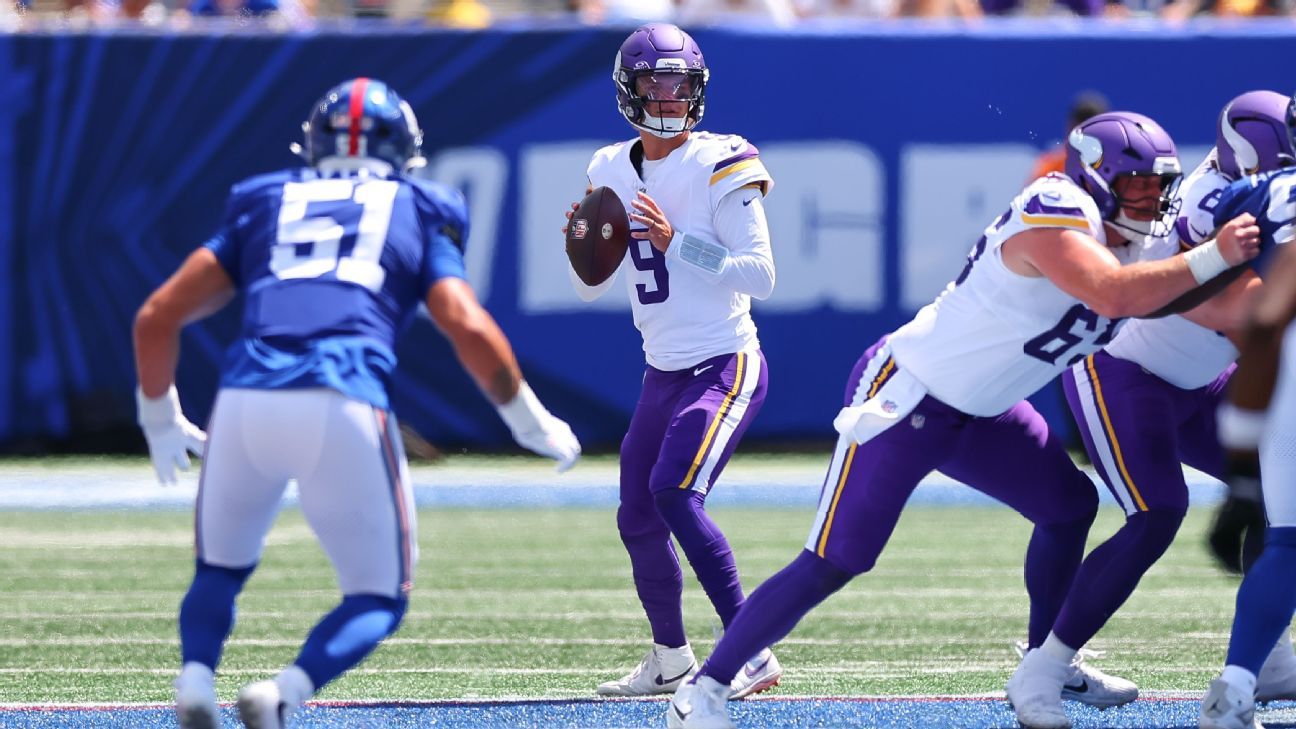
- Giants traded a 2025 fifth‑round pick to Minnesota for J.J. McCarthy
- Jaxson Dart is out for the season, creating a need in the outfield
- McCarthy is a veteran with experience in MLB, expected to add depth
- The trade prioritizes immediate roster needs over future draft capital
- Giants will evaluate McCarthy’s performance before deciding on future moves
Giants acquire J.J. McCarthy in a trade that sends a fifth‑round pick to Minnesota after Jaxson Dart is ruled out for the season.
According to ESPN, New York traded a 2025 fifth‑round draft selection to the Minnesota Twins in exchange for former Giants outfielder J.J. McCarthy. The move comes as the Giants’ starting right fielder, Jaxson Dart, has been placed on the injured list with a season‑ending injury, leaving the team with a significant gap in the outfield. McCarthy, a veteran who has spent time with the Giants and several other MLB clubs, is expected to provide depth and experience as the club navigates the remainder of the season.
The trade raises questions about whether the acquisition will truly move the needle for the Giants. McCarthy’s career has been characterized by solid defensive play and a reliable, if not spectacular, bat. While he is not a franchise‑changing talent, his presence could stabilize the outfield and offer a mentor for younger players. The fifth‑round pick that the Giants relinquished is a low‑tier asset, suggesting that the club is prioritizing immediate roster needs over long‑term draft capital.
Ultimately, the trade’s impact will depend on McCarthy’s performance and how well he integrates into the Giants’ lineup. If he can deliver consistent play and fill the void left by Dart, the move could help the team remain competitive in a crowded division. However, if the veteran struggles, the trade may be viewed as a short‑sighted gamble that depletes future draft options.
Looking ahead, the Giants will monitor McCarthy’s contribution throughout the season and assess whether the trade provides the desired depth. The organization’s next steps could involve further roster adjustments or additional trades, depending on how the outfield situation evolves.