Google will support ChromeOS until 2034 as it shifts to Googlebook OS
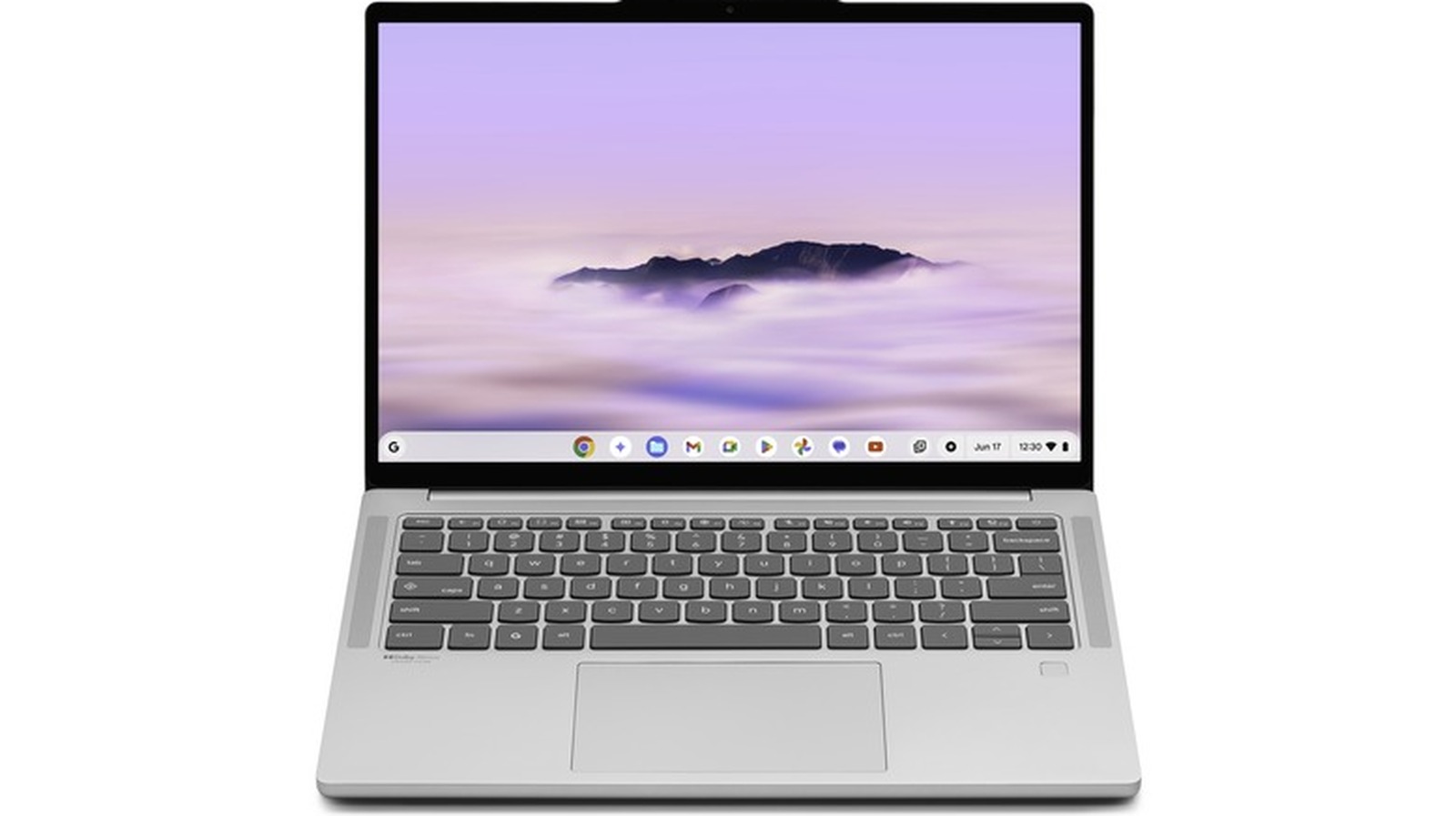
- Google will support ChromeOS until 2034 while shifting to Googlebook OS
- Recent Chromebook models can switch to the new operating system
- The change was reported by Engadget
- Googlebook OS represents a new platform for Google’s laptop line
- ChromeOS support will continue for older devices through 2034
Google has announced that it will continue to support ChromeOS until 2034 while it begins shifting its focus to a new operating system, Googlebook OS. The company said that a subset of recent Chromebook models will be eligible to upgrade to the new platform, allowing users to transition without immediately abandoning their existing devices. The move, reported by Engadget, marks a significant milestone in Google's long-term strategy for its laptop ecosystem.
ChromeOS has been the backbone of Google's lightweight, cloud‑centric computing strategy for over a decade, providing a secure, fast experience for millions of users worldwide. By extending support through 2034, Google signals its commitment to maintaining stability for current customers, giving developers and enterprises ample time to adjust their applications and workflows. Meanwhile, the introduction of Googlebook OS represents a fresh architectural direction that Google hopes will bring new features and improved performance to its hardware lineup.
Only a handful of the newest Chromebook devices are slated for the transition, according to the Engadget report. These models, equipped with newer hardware and software stacks, are the logical first candidates for the upgrade path. Users of older devices will continue to receive ChromeOS updates for the foreseeable future, ensuring that legacy hardware remains secure and functional.
While the specifics of Googlebook OS’s feature set remain under wraps, the announcement underscores Google’s intent to keep its ecosystem evolving while still honoring its commitment to existing users. By offering a clear upgrade path for recent devices and maintaining long‑term ChromeOS support, the company aims to balance innovation with reliability. This transition will likely influence future OS development and device longevity for users worldwide.