Scientists Found a Deep-Sea ‘Death Pool’ That Vanished. It May Show How Earth’s First Life Survived
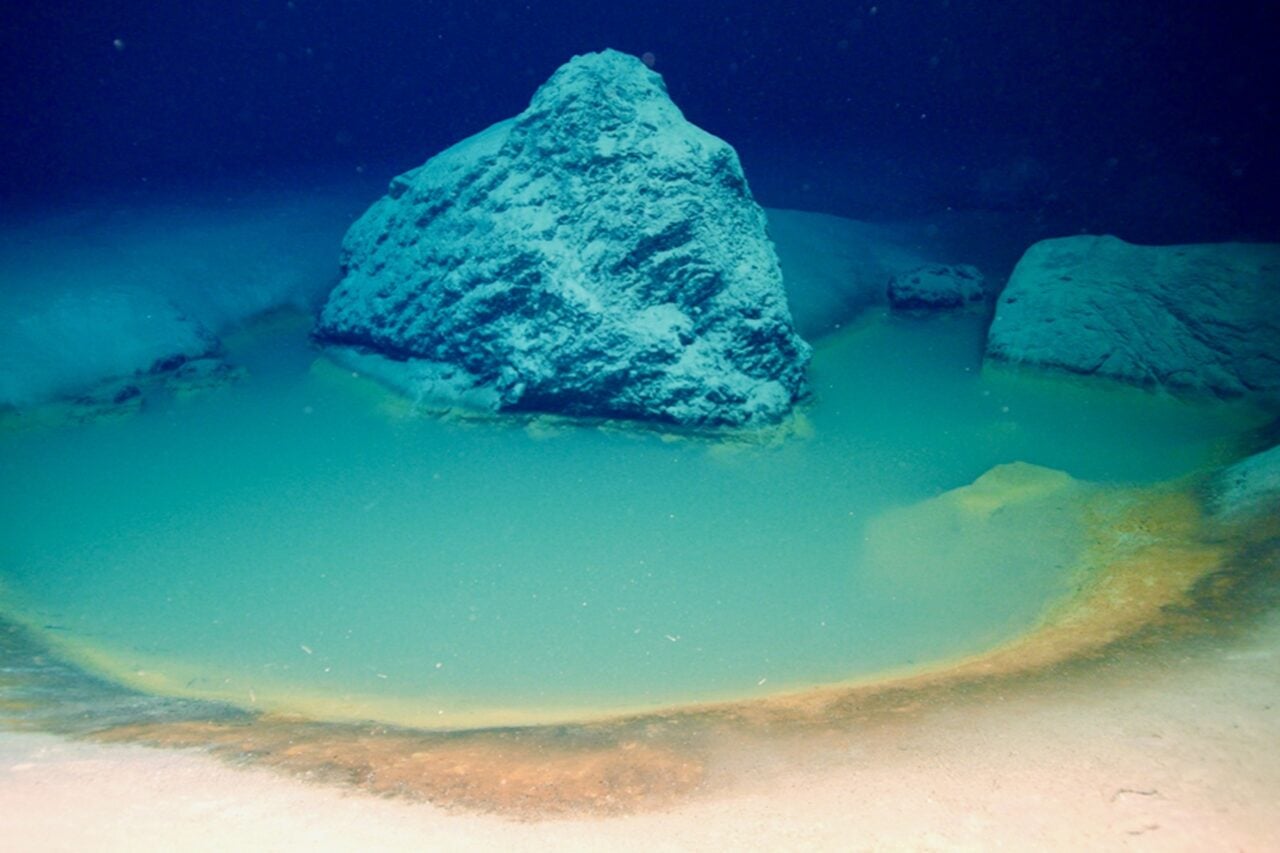
- Scientists discovered a transient deep‑sea ‘death pool’ that disappeared during a Red Sea expedition.
- Sediment tests indicate primordial microbes used chemical energy sources like hydrogen sulfide before Earth had oxygen.
- The finding offers insight into how early life could survive in anoxic, deep‑sea environments.
- Researchers plan genomic and laboratory studies to trace metabolic evolution and search for life elsewhere.
- The study highlights the role of deep‑sea chemistry in the origins of life.
Scientists have identified a transient deep‑sea “death pool” that vanished during a recent expedition, offering clues to how life first harnessed energy on an anoxic Earth. According to Gizmodo, sediment samples collected from a research vessel operating in the Red Sea reveal evidence of primordial deep‑sea microbes that may have survived in low‑oxygen environments by tapping into chemical energy sources.
The discovery centers on a localized zone of high microbial activity that appeared suddenly in the deep waters of the Red Sea and disappeared within a short time frame, a phenomenon the researchers refer to as a “death pool.” Sediment core analysis shows the presence of microbial DNA and metabolic signatures that indicate a reliance on hydrogen sulfide and other reduced compounds rather than oxygen, suggesting a form of chemolithoautotrophy that could have sustained early life forms.
These findings are significant because they provide a tangible link to the conditions that may have supported the earliest ecosystems on Earth. By studying how microbes can extract energy from non‑oxygenated chemical gradients, scientists can better understand the metabolic pathways that predated atmospheric oxygen and how life could have persisted in the planet’s dark, deep‑sea habitats.
Future research will involve detailed genomic sequencing of the recovered microbial communities and laboratory simulations of the Red Sea’s deep‑sea chemistry. Such work could clarify the evolutionary steps that led to oxygen‑dependent life and inform the search for life in similar environments on other planets and moons.