Ancient meteorites reveal a powerful force that helped build the Solar System
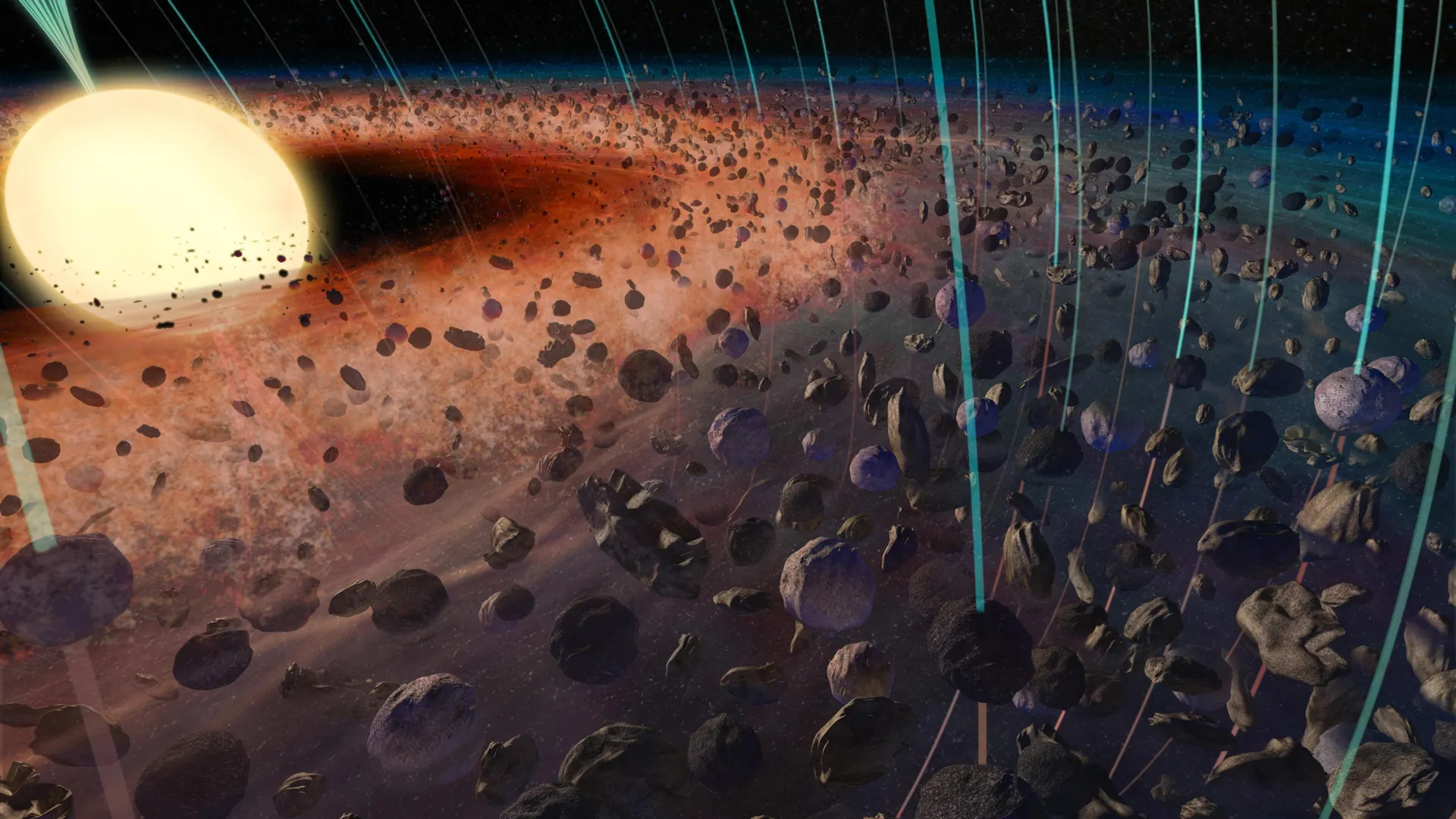
Scientists have discovered evidence that a powerful magnetic field was present during the earliest stages of the solar system, according to a new study reported by Science Daily.
The evidence comes from microscopic grains embedded in one of the oldest known meteorites. By analyzing the magnetic alignment of these grains, researchers inferred the intensity of the field that existed when the solar nebula was still forming, revealing a surprisingly strong magnetic influence during the first 200,000 years of the solar system’s history.
These findings suggest that magnetism, together with gravity, played a key role in shaping the Sun and the surrounding planetary disk. A strong magnetic field could have guided the motion of charged dust particles, helping to concentrate material and promote the growth of planetary bodies by influencing the dynamics of the protoplanetary disk.
This new perspective adds a magnetic dimension to models of planetary formation and may help explain the distribution of materials in the early solar system. Future studies will aim to refine measurements of the field strength and explore how magnetic forces interacted with other processes during the first 200,000 years of solar system history.
If magnetic forces were as influential as the new data imply, they could also affect the formation of exoplanetary systems. Astronomers may now consider magnetic fields as a variable in simulations of protoplanetary disks, potentially revising estimates of planet formation timescales.
","key_points":["Ancient grains in one of the oldest meteorites reveal a strong magnetic field during the first 200,000 years of the solar system","The magnetic field existed alongside gravity, helping to transform a cloud of gas and dust into the Sun and planetary disk","The discovery suggests magnetism played a significant role in early planetary formation","The study was reported by Science Daily","The findings may prompt new models that incorporate magnetic forces in protoplanetary disk evolution"],"faq":[{"question":"What did the study find?","answer":"The study found that ancient grains inside one of the oldest known meteorites indicate a surprisingly strong magnetic field existed during the solar system’s first 200,000 years."},{"question":"Why is this discovery important?","answer":"It shows magnetism worked alongside gravity to shape the Sun and planetary disk, adding a new dimension to our understanding of how the solar system formed."},{"question":"What happens next?","answer":"Researchers will refine measurements of the